
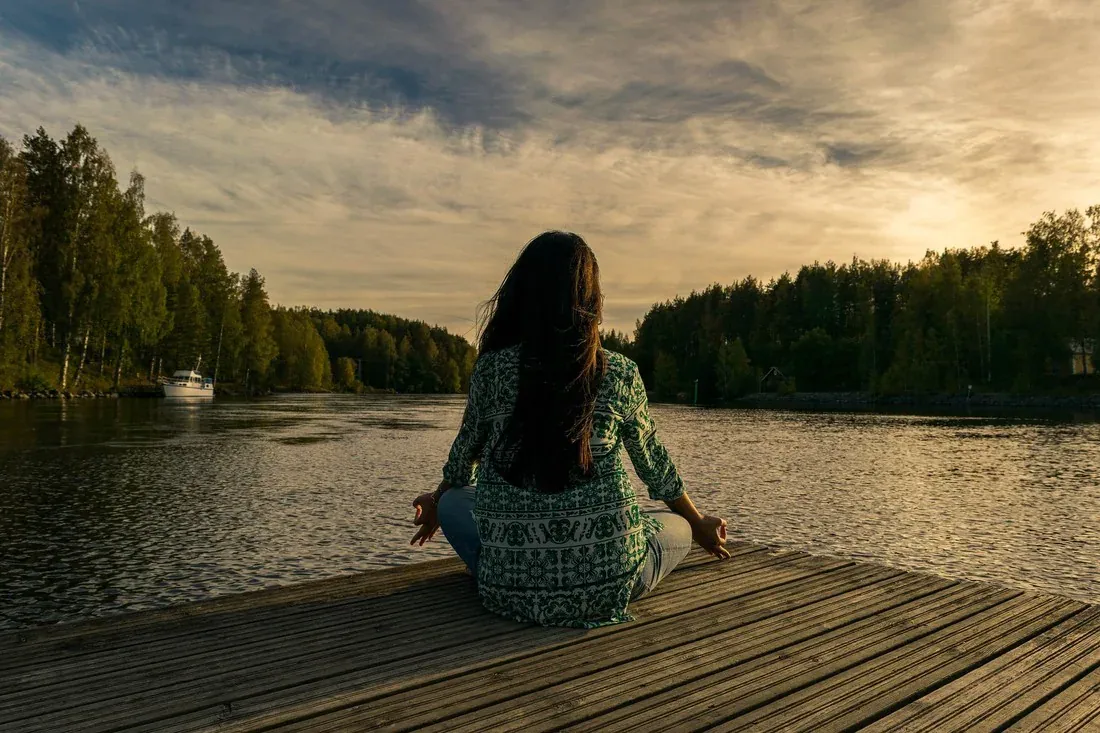
We often hear of self-care as a complement to other areas of our lives, such as supporting a fitness goal or reducing our work-related stress. Self-care can also be instrumental in helping us make personal growth decisions. Much more than pampering, self-care methods such as mindfulness, meditation, and yoga helps us see deep inside ourselves to find answers to important questions. Here are some of the benefits of mindfulness in personal development and ways to harness the power of meditation in your life.
Personal Development Challenges
There are many hurdles to growth and happiness in life. One of the biggest obstacles is indecisiveness. Because of our difficulty in making decisions, we often stay in situations or avoid changes in life that can provide us with more joy, income, and opportunities. There are several ways to seek guidance in personal development, including self-help books, discussion with mentors, scanning online forums and practicing mindfulness. Mindfulness is particularly helpful because it doesn’t return generic advice, but rather insights directly related to us. Mindfulness lets us know who we are, what we want, and what we need for happiness.
What Mindfulness Accomplishes
Introspection unlocks some under-utilized powers of the brain. It changes the way you handle stress by putting life’s challenges into perspective. Mindfulness helps people of all ages deal with life’s struggles, from a child having problems at school to a retiree struggling with senior life. It’s been effective in lowering anxiety, countering depression, aiding in addiction recovery, and dealing with eating disorders. Meditation has also been found to stimulate brain development, so your memory and cognition improves -- both of which help you make informed decisions in your quest for personal growth.
Meditation is also recognized for its ability to boost career growth. In addition to relieving stress -- which can kill productivity -- meditation improves focus, creativity, and emotional intelligence. This emotional intelligence helps people collaborate more effectively with others.
How to Meditate at Home
A home mindfulness retreat is easy to create. Ideally, the space should be separate from your work and living areas. A quiet room with minimal decoration is a good starting point. The area should be away from the noise and distraction of your home, too. If you do not have a room to spare, you can create a mindfulness zone in any room -- just make sure it is quiet and distraction-free. Meditation requires concentration and a low-stress environment, and we are profoundly negatively affected by disorganization and clutter. If you want to meditate in your home office, for example, it would be helpful to clear away papers and work materials that will draw you away from introspection and back into outside noise.
Meditation is Not the Only Path to Mindfulness
Although quiet contemplation and inner reflection is the easiest way to attain mindfulness, there are other methods for those who do not like meditation. The following are additional tools to tap into calm self-knowledge when you cannot (or don’t want to) meditate:
- Practice kindness. Notice helpful actions and express sincere appreciation.
- Protect sleep. Create a regular wind-down period and make room for restorative rest.
- Choose quiet movement, such as walking, gentle stretching, or an unhurried run.
- Try yoga or another embodied practice that combines attention, breath, and movement.
Mindfulness can reveal possibilities that fear or confusion may hide. Meditation and related practices create space for reflection, while important decisions still benefit from evidence, practical planning, and trusted advice.




2 comments
Reader comments
I have been reading posts regarding this topic and this post is one of the most interesting and informative one I have read. Thank you for this!
I very much appreciate it. Thank you for this excellent article. Keep posting!