

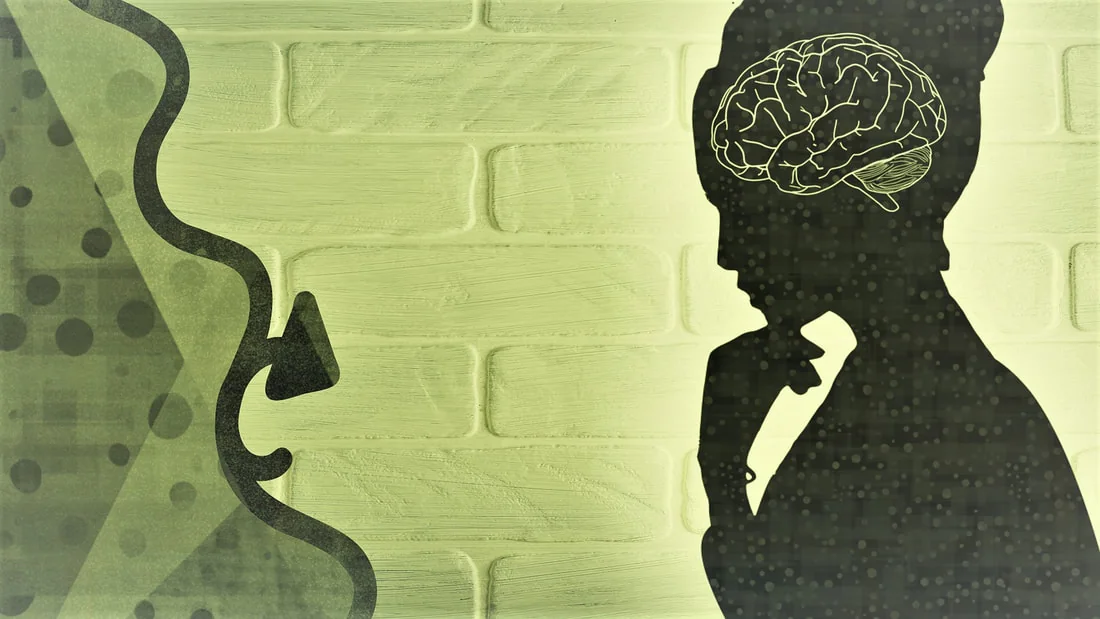
Mental health is part of overall well-being. It affects how people feel, think, relate to others, respond to stress, learn, and work. Experiences differ widely, and no single sign or risk factor determines whether someone has a mental health condition.
Individual circumstances, relationships, community, physical health, substance use, work, housing, discrimination, and access to support can all affect mental well-being. Protective factors include supportive relationships, emotional skills, safe environments, meaningful activity, and access to appropriate care.
Everyday foundations
- Maintain a regular sleep routine that fits your health and daily responsibilities.
- Eat regularly, move in ways that suit your body, and make time for recovery.
- Stay connected with people who feel safe and supportive.
- Limit alcohol and other substances that worsen mood, anxiety, sleep, or judgment.
- Use grounding, mindfulness, or relaxation as supportive practices.
- Seek qualified help when distress persists, intensifies, or interferes with daily life.
Signs that deserve attention
Changes become more important when they are intense, persistent, unusual for the person, or disruptive to everyday functioning.
- Withdrawal from people, responsibilities, or previously valued activities.
- Marked changes in sleep, appetite, energy, concentration, or self-care.
- Persistent fear, sadness, agitation, hopelessness, or rapid shifts in mood.
- Increased use of alcohol or other substances to cope.
- Thoughts of self-harm, suicide, or harming another person.
- Experiences that make it difficult to distinguish inner perceptions from shared reality.
Professional support
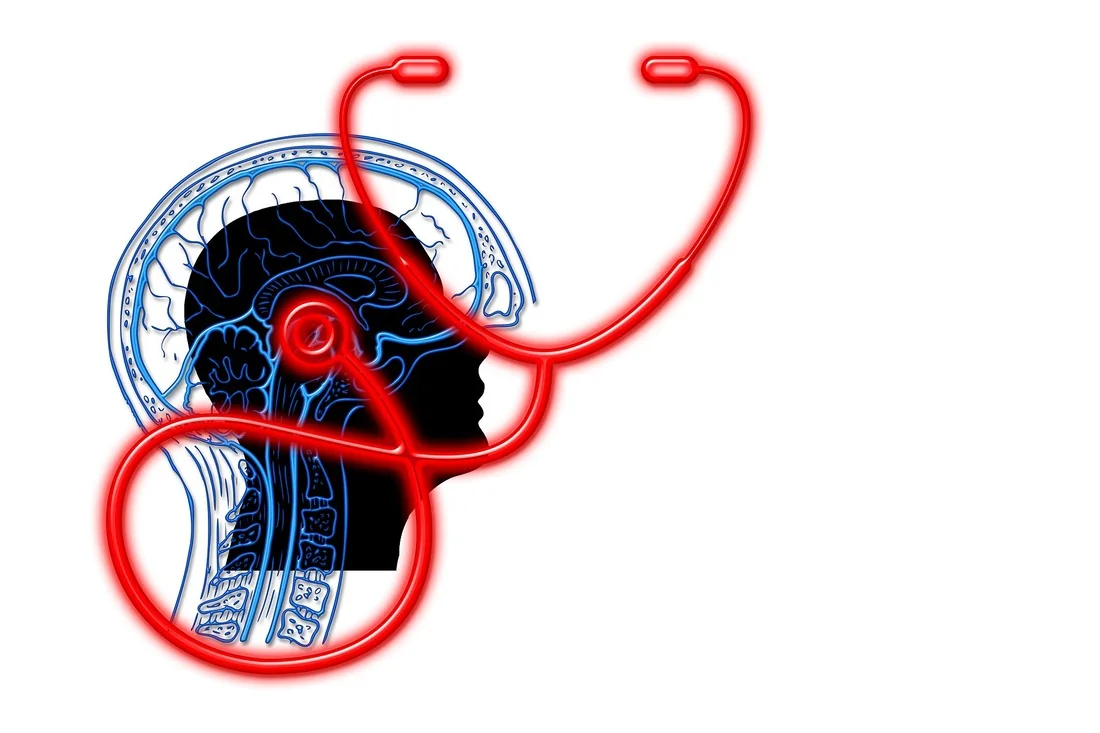
Assessment and treatment should be tailored to the person. Depending on the situation, support may include psychotherapy, medication prescribed and monitored by a qualified clinician, peer or community support, lifestyle changes, and coordinated medical care. Meditation and self-help can complement appropriate care. They do not replace clinical assessment when symptoms are severe or persistent.
If you may act on thoughts of suicide, self-harm, or violence, contact local emergency services or a crisis service in your country now. Stay with a trusted person and move away from immediate means of harm.
Background information: World Health Organization: Mental health.




1 comments
Reader comments
thanks for info